
When people think of France, they often imagine elegant cafés, delicious food, and romantic streets. But French culture goes far beyond what we see in movies or postcards. It is a way of living—intentional, expressive, and deeply connected to pleasure, tradition, and human connection.
At the heart of French culture is the idea of taking your time. Whether it’s enjoying a meal, having a conversation, or simply walking through the city, the French value presence. Meals are not rushed; they are moments to connect, to savor, and to appreciate. Even a simple lunch can feel like a small celebration of life.
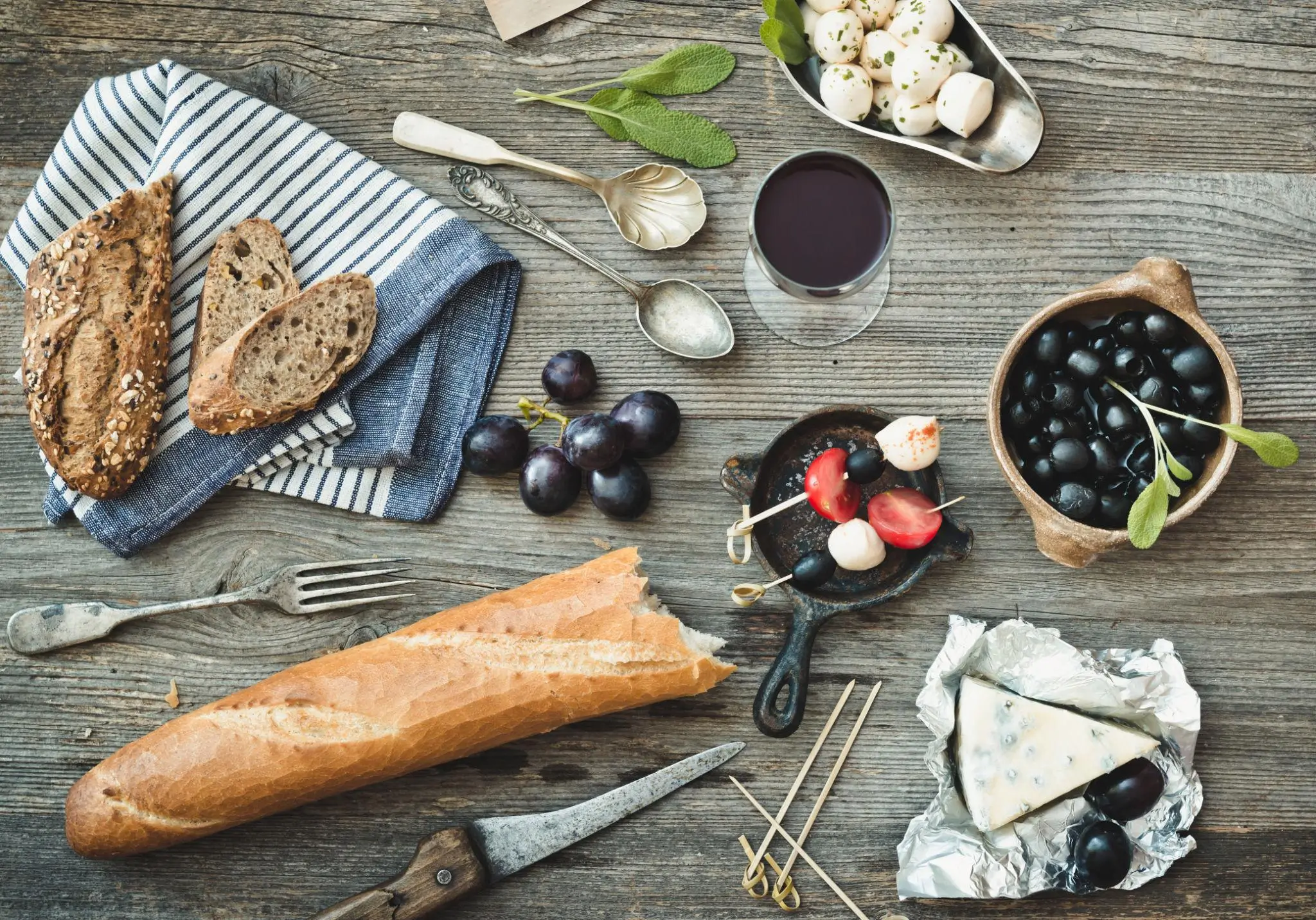
Food, of course, plays a central role. French cuisine is not just about recipes—it’s about respect for ingredients, technique, and tradition. Dishes are often simple, yet full of flavor, reflecting a philosophy that good cooking doesn’t need to be complicated to be meaningful. It’s about creating something with care and sharing it with others.
Another important aspect of French culture is its appreciation for beauty and detail. From the way a table is set to how a bakery displays its pastries, there is an attention to aesthetics that turns everyday moments into experiences. This sense of beauty is not about perfection, but about intention.
French culture also values individuality and expression. People are encouraged to have opinions, to engage in conversation, and to enjoy intellectual discussions. There is a strong connection between culture, art, and daily life—whether through literature, cinema, or simply the way people communicate.
But perhaps the most beautiful part of French culture is its balance. It embraces both tradition and modern life, discipline and pleasure, simplicity and sophistication. It reminds us that life is not only about productivity, but also about enjoyment, connection, and meaning.
In many ways, French culture teaches us something powerful: that even the simplest moments—sharing a meal, having a conversation, or cooking for someone you love—can become extraordinary when we are fully present.
And maybe that is the true essence of it all.